Made in Cameroon. Built for the continent.
A grade can’t tell you
how a child thinks.
It can’t show the question she asked that no one else in the room thought to ask, or the week she spent wrestling with something before it finally clicked. Uweza builds the record that can — a Capability Passport, verified, and carried with her for the rest of her life.
The platform
One platform for how people learn and how their work is proven.
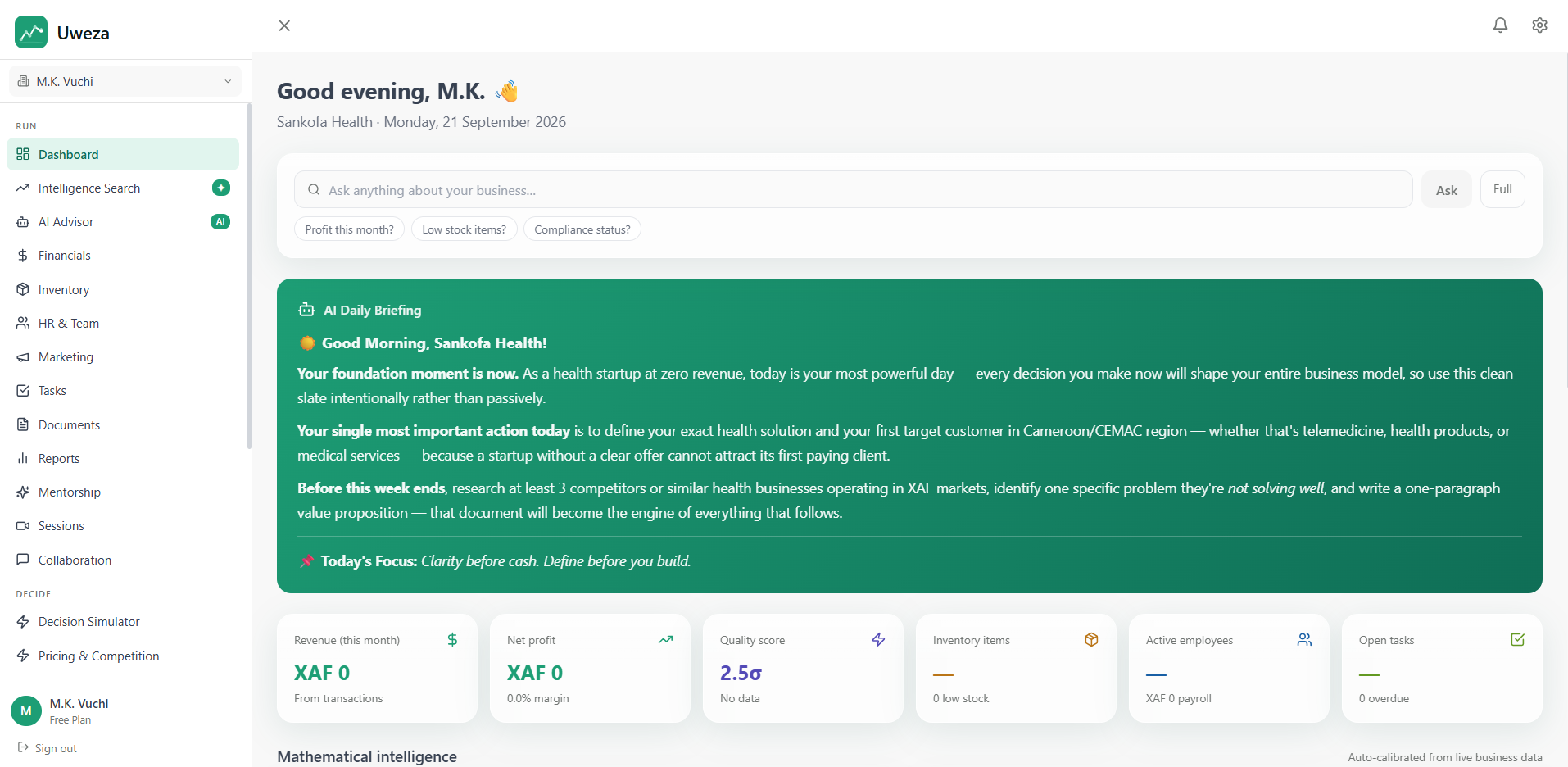
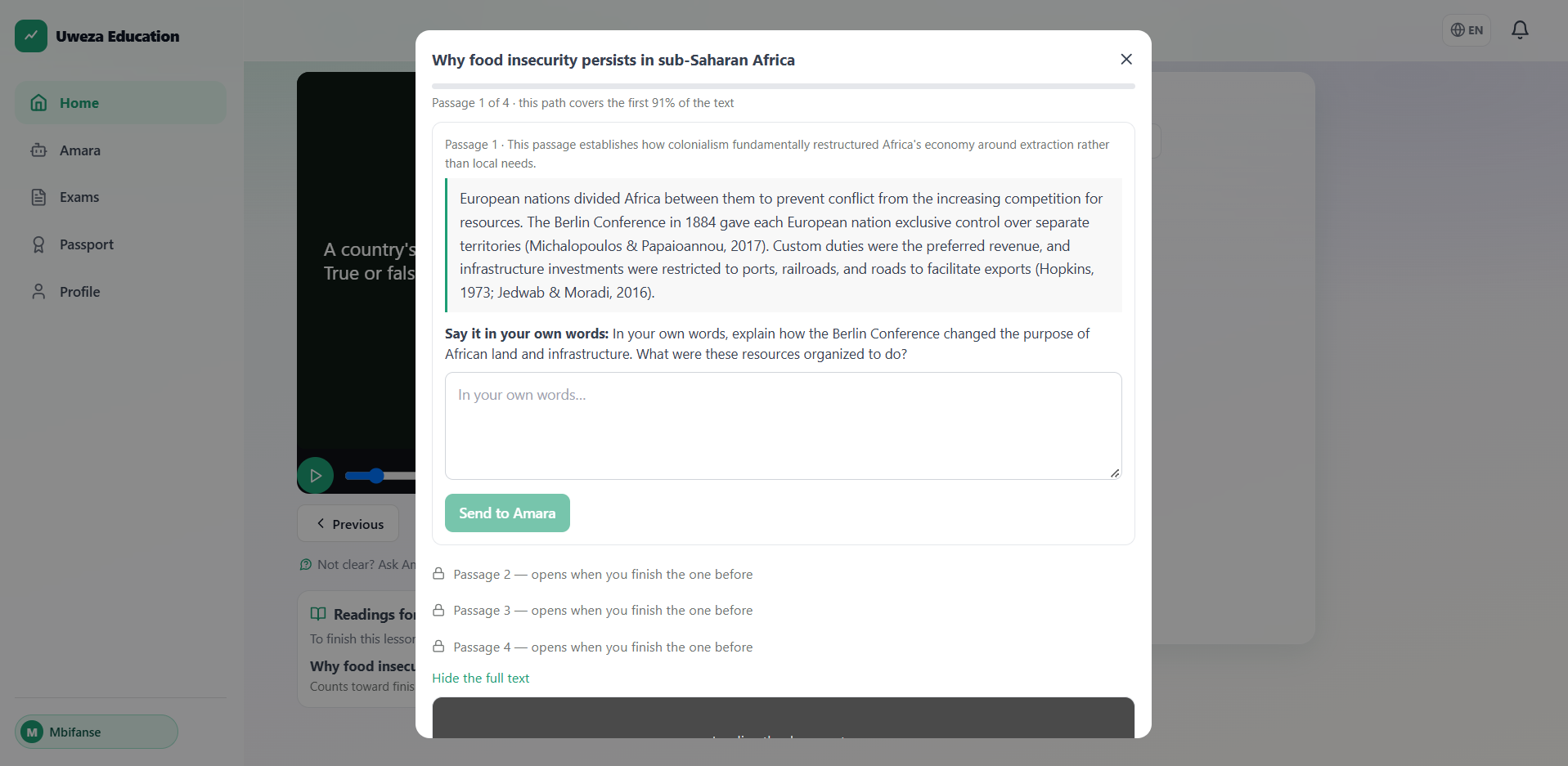
Learning through questions: how Uweza courses are built
The problem, plainly
What a person can actually do
is written down nowhere.
Not their grades — those exist. What is missing is everything a grade cannot hold: the question they asked, the week they spent stuck before it clicked, the thing they built, the way they think when something is hard.
That absence is not a Cameroonian problem, but Cameroon is where we can measure what it costs.
A classroom that size cannot notice the question one child asked that nobody else thought to ask — however good the teacher is. Nothing about that child’s thinking is written down anywhere.
Not because they did not study. Because what they studied was designed to show what they could reproduce on one morning, under pressure — and nothing else about them was ever recorded.
A degree certifies attendance and a final mark. It does not say how someone thinks, what they built, or what they did when a problem did not resolve — which is what anyone hiring actually needs to know.
Certificates, school records, the teacher who could vouch for you. Displacement does not just interrupt an education. It erases the evidence that it happened.
This is not a teaching problem. It is a problem of record.
You cannot fix it by teaching harder, and nobody has been failing to try. It needs a different thing to exist: a record of what a person can actually do, built as they do it, verified as it happens, and belonging to them afterwards — wherever they end up standing.
This is who we build for
Real classrooms. Real learners.
Classroom lecture
Photographs: Uweza: Field Work
The Capability Passport
Not a CV. Not a grade. A living record of how a child actually thinks.
A CV is a claim. A grade is a single snapshot taken under exam pressure. Neither shows how a student reasons, struggles, or rebuilds after a wrong turn.
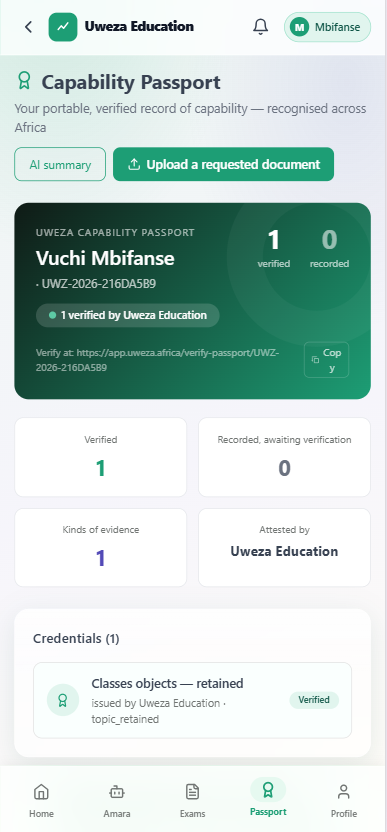
The Capability Passport is different: a record built session by session, each entry carrying what was claimed, who established it and when — at a public link any employer, scholarship board or university can open and check for themselves.
It travels with the student even when formal schooling can’t: through a family emergency, a move, a season out of the classroom. All it needs is the phone number the student signed up with.
It already crosses Cameroon’s two school systems — the same record follows a student whether they sit the GCE or the Baccalauréat. It is built to keep going: to a school in Uganda, a fellowship in South Africa, a settlement in a country nobody planned to be in.
That works because the strongest thing it holds is not tied to any syllabus. “Passed Physics” needs a system that recognises the exam. “Carried an idea into a field it was never taught in” does not.
They answered every understanding check in the lesson where it was taught, in their own words. A record of what they did, on the day they did it.
Asked again weeks later, on a date they did not choose, with a question written fresh rather than repeated. Performing in a lesson and still knowing something later are different claims. This is the second.
A principle they explained in one subject, applied cold in a field it was never taught in — without being told it was the same idea. This is the claim that means the same thing in any country.
A certificate confirmed with the board that issued it, or a programme confirmed by the organisation that ran it. Never the learner’s own word for it.
A question they asked that nobody anticipated, published only where a guardian — or an adult learner — has specifically agreed it may be seen.
— and then it turns around. A student carried for free today contributes once they are earning, and funds the next one. That is a decade-long loop, not a business model: until it closes, institutions, diaspora patrons and businesses carry the cost.
A mastery conversation · spoken in Bafut
Student explains why the plant in the dark corner is leaning toward the window.
Amara: Good instinct — but walk me through it again. What is the plant actually chasing?
Student revises: it’s reaching for light, not warmth.
Amara: There it is. That’s phototropism, and you found it yourself. Let’s see it happen — watch the stem.
Meet Amara
An African tutor who won’t move on until real understanding shows up.
Amara advances a student only once they can explain their reasoning back to her in conversation — not once they’ve guessed the right multiple-choice letter. She teaches through animated explainers, Socratic questioning, and caregiver-mediated sessions for the youngest learners.
She builds understanding in the language a household actually speaks — Ewondo, Bafut, Fulfulde, Duala — eventually teaching a child in the language they think in, while quietly helping preserve it.
Every part of the experience, including how Amara judges mastery, works through spoken conversation. A student who speaks their answer earns exactly the same Passport entry as one who typed it.
How it actually works
Four steps, and then
something that lasts.
A name and a phone number
That is the entire sign-up. No email address, no bank account, no card — no barrier that had no business being there in the first place. A form that asks for a card has already decided who is welcome.
Amara sits with them until it lands
Our AI teacher works alongside a real classroom, not instead of it. She stays with a student for exactly as long as they need — through the question they are stuck on, in the language they actually think in — and does not move forward when the lesson ends. She moves forward when they have understood.
Mapped to the real syllabus, by real teachers
Every subject follows the actual GCE and Baccalauréat syllabus, built and reviewed by practising teachers. Not generated content published unchecked, which is the easy version of this and the reason so much of it cannot be trusted.
And then the questions that cross the lines
A second kind of course runs alongside: hard questions that cut across subjects on purpose — a mathematical idea against a line of code, an essay’s argument against a proof. The world these students are entering does not reward people who memorised well. It rewards people who can think across lines the subjects were never really meant to draw.
And every genuine moment of understanding becomes part of their record.
A real question. A real recovery from being wrong. A principle carried into a subject it was never taught in, weeks later, without being told it was the same idea. Verified, timestamped, and theirs — for life, wherever life takes them.
Who it’s for
Built for the students the current system explains away.
Every learner, Early Years to Upper Sixth
Caregiver-mediated for the youngest, audio and large text for primary, Socratic and career-linked for secondary and university.
Girls who leave school early
Family circumstances can interrupt schooling, but the Passport keeps the verified record of ability intact — especially in fields like IT and engineering.
Learners with disabilities
Voice-first, audio-native teaching and assessment gives every student the same quality of record, however they answer.
Refugee and displaced students
Cameroon hosts over 431,000 refugees and asylum-seekers, and close to a million people displaced within the country. All the Passport needs is a phone number — not continuous enrolment at one school.
Young job-seekers, 18–35
In a labour market where 87% of employment is informal, demonstrable, verifiable proof of practical capability is what actually opens doors.
Where it started
I am Mbifanse Vuchi, and I was raised on a scholarship funded entirely by people who never met me — down to the eraser I used in class at G.H.S. Kedjom Keku.
I did not have one parent raising me. I had a village.
One day, walking to school with my head down, one of the women of my community stopped me — said nothing — and lifted my chin.
I have walked with my shoulders squared ever since.
That is the debt Uweza is trying to repay, forward instead of back: that a community investing in a child it has no obligation to is not charity. It is how a society that works actually functions.
What Uweza actually is
Uweza is built around one belief: what a person can actually do — what they understand, what they have built, how they think when something is hard — deserves a record as real and as lasting as the person themselves.
Not a score from one exam on one morning. Not a line on a CV that nobody can check. Verified, permanent evidence of what someone can do, established by something they did not control.
We call it the Capability Passport. It is the centre of everything we build. Everything else — Amara, the courses, the tools, the laboratories — exists to feed it something true.
What is real, right now
This is not a pitch for something
that might exist one day.
A pilot cohort of 118 scholars, 100 of them still active, has already used Uweza — ahead of any public launch.
More than half of them did something we never asked for.
They asked questions the lesson had not anticipated. They worked across subjects on their own. They built real study groups with each other before school had even resumed.
That is not a usage statistic. It is the actual thing we are trying to build, already starting to happen on its own.
Alongside that, institutions running cohort programmes use Uweza for their own scholars. A young person studying computer science on a scholarship, who then builds a company through that same programme, is not two separate people — their coursework is what made the venture possible. The Capability Passport holds both, in one record, legible to whoever is looking at it.
Who pays
No student ever sees a price.
Someone else always does.
Not a discount, a trial, or a scholarship a family has to apply for and hope. A student is a beneficiary by default. The money comes from four groups of people who are not that student, and each of them has a real reason to say yes.
Institutions
Schools, ministries, NGOs and employers fund cohorts directly.
An employer paying for talent-pipeline access to the Capability Passport is paying, visibly and by design, for the free access of students who will never work for them.
Diaspora patrons
Cameroonians abroad sponsor students from their own hometowns.
Money already moves home constantly, for exactly this reason. This gives it a name, a school, and a record of what it produced — rather than disappearing into a general fund.
Businesses
A company sponsors a cohort out of its CSR budget.
The same talent logic as an institution, at the scale a regional business can actually carry.
Families who choose to
A family with means can opt in — never as a condition of access.
Ninety-three percent of our pilot families said they would pay. That is not a reason to charge everyone. It is a reason to let those who can, fund those who cannot.
This only holds if the people paying grow at least as fast as the students who cannot.
A subscription scales with itself. This does not. Signing up students is the easy half, and doing it without matching sponsors would mean growing into a shortfall rather than a mission. We build both sides with the same seriousness, and we would rather say that here than discover it later.
Fund a cohortInstitutions running their own programmes — scholarship cohorts, entrepreneurship funds, alumni networks — license Uweza for their scholars and, in doing so, carry students outside their programme too.
What we believe, without exception
Four things that do not move,
whatever else does.
No student ever pays to be seen
Having your capability verified and taken seriously should not have a price standing between a family and their child. Uweza is funded by those who can carry that cost, so that no student ever has to.
Evidence is verified, or it does not exist
Nothing on a Capability Passport is a student’s claim about themselves. Every entry was established by something they did not control — a certificate confirmed with the board that issued it, or an understanding tested again weeks later at a moment the system chose. A credential nobody can check is worth what the paper costs.
A child’s safety comes before anything else we do
Not a line on a page we move past. It is built into how the platform behaves, every time, for every student, with real people standing behind it — and it outranks every other thing Uweza is doing at that moment, without exception.
What a student builds belongs to them, everywhere
A verified record should not disappear because life forced someone to move. Displacement and the loss of every document a person owns are not edge cases we will design around later. They are the reason the Capability Passport takes the form it does.
Where this is going
Uweza started in Cameroon because this is where its founders are from, and because the need here is immediate. But the gap between what a young person actually learns and what the world asks them to prove is not Cameroonian.
It is shared by students in refugee settlements in Uganda, by young founders across the continent building real businesses with no way to show real traction, by anyone whose potential has outgrown the tools built to measure it.
A scholar studying computer science on a scholarship, who then builds a company through that same programme, is not two people. Their coursework is what made the venture possible. Nothing they use today can hold both, so both get described in slides nobody can check.
We are building Uweza to be the layer underneath all of it — education today, and over time every domain in which a person actually proves what they can do. An operating system for a person’s capability, held together by one honest idea:
You are not what one exam says about you. You are what you can actually do — verified, and carried with you for the rest of your life.
Who’s building it
A small Cameroonian-founded team.
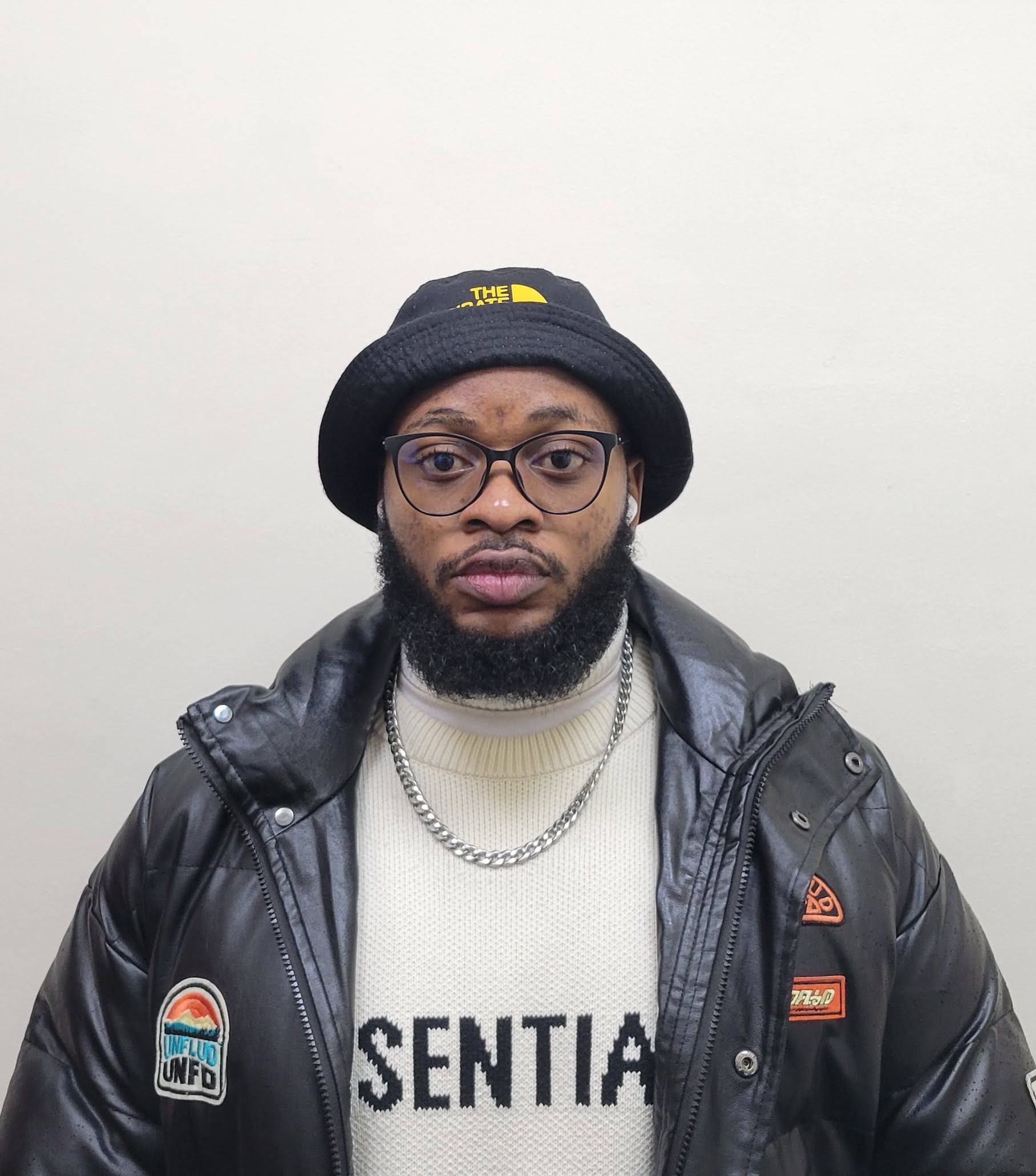
Mbifanse Milton-Keyness Vuchi
Founder
A Mastercard Foundation Scholar and African Leadership Academy alumnus, and a graduate of AUI in International Relations and Quantitative Studies. Nine years designing offline-first, edge-AI systems for low-connectivity environments — precision farming, circular resource systems, resilient AI workflows.
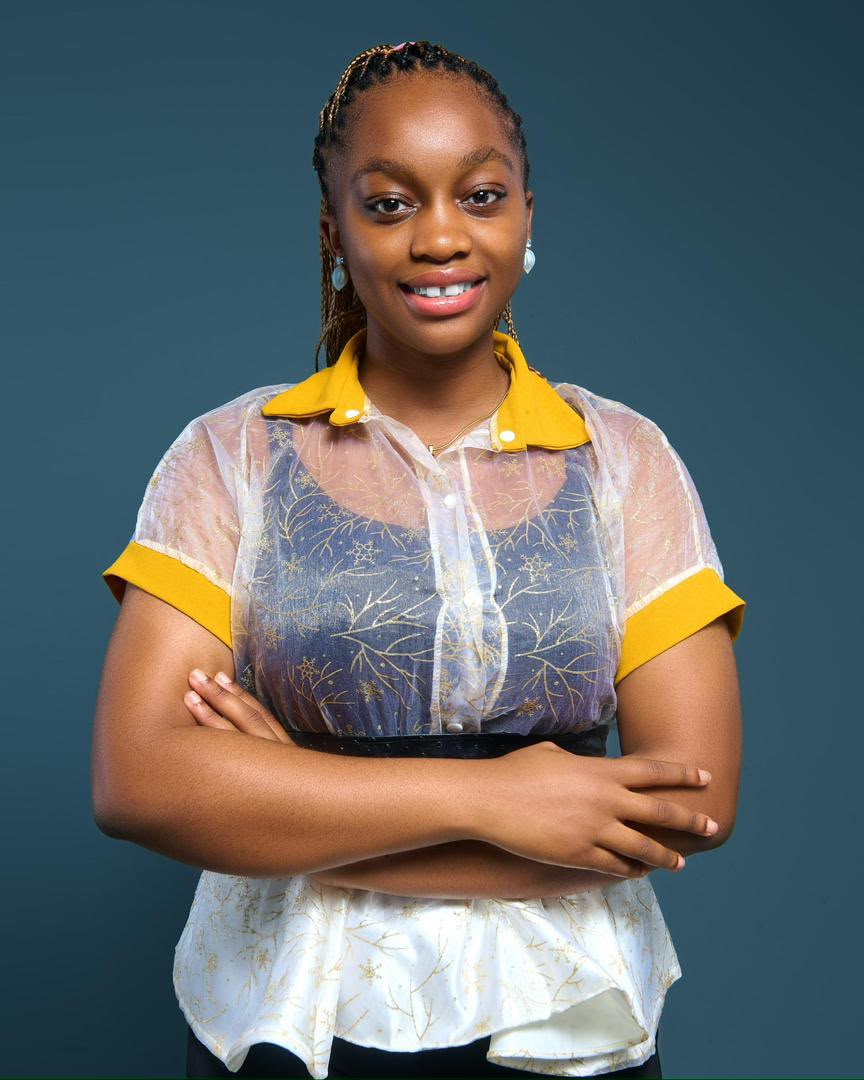
Favour Amourzang Fri Fon
Co-founder
An Ashesi University Computer Science student and Mastercard Foundation Scholar whose work spans EdTech, healthcare, and AgriTech. Spent a semester at UC Berkeley’s Sutardja Center for Entrepreneurship and Technology through a Mastercard Foundation exchange. Brings a design-thinking approach to translating research into product strategy.
From the team
What we are learning, as we learn it.
What we built
Curiosity Is Not a Trait. It Is a Condition You Can Build.
On what actually produces curious, creative people — and what we built in Cameroon because of it
2 October 2026
How we think
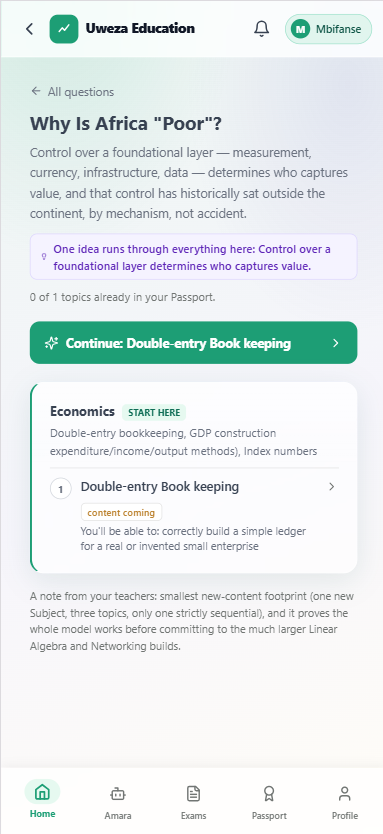
Learning through questions: how Uweza courses are built
Uweza courses start from a real question and cross subject lines to answer it. Here is how a course, its lessons and its final project fit together.
21 September 2026
News
The Capability Passport: a record of what you can do, that nobody can fake
Every entry on a Passport is earned and verified — never typed in, never self-reported. Here is how it works, and who it is for.
21 September 2026
If you are a parent or a student
You will never be asked to pay to find out whether this works for your child. Not now, not later, not after a trial ends. Come and find us — at your school, your church, your community — or write to us directly.
Message us on WhatsApp →If you are an institution, a business, or part of the diaspora
You are the reason this stays free for the students who need it most. Fund a cohort, sponsor students from your own hometown, or licence Uweza for a programme you already run.
Partner with us →If you are a funder, a journalist, or a partner organisation
We would rather show you the real thing than describe it. Every claim on this page resolves to a record you can open and check yourself.
See a Capability Passport →Get in touch
Tell us who you are, and we’ll reply directly.
Parent, teacher, school, ministry, partner, investor — leave your number and a message, and it reaches our team on WhatsApp right away. Prefer to type it yourself?
Open WhatsApp directlyuweza.africa
hello@uweza.africa
+237 671 884 073